
Modern architects work in an environment that requires constant adaptation to new technologies. Staying on top of these tools can seem daunting, but incorporating the right technology into your workflow can give you a significant edge. From design to project completion, the latest innovations are transforming how you approach every phase of architecture. Read on to see which technologies you should prioritise to stay competitive in the current architectural landscape.
Design and Modelling Tools
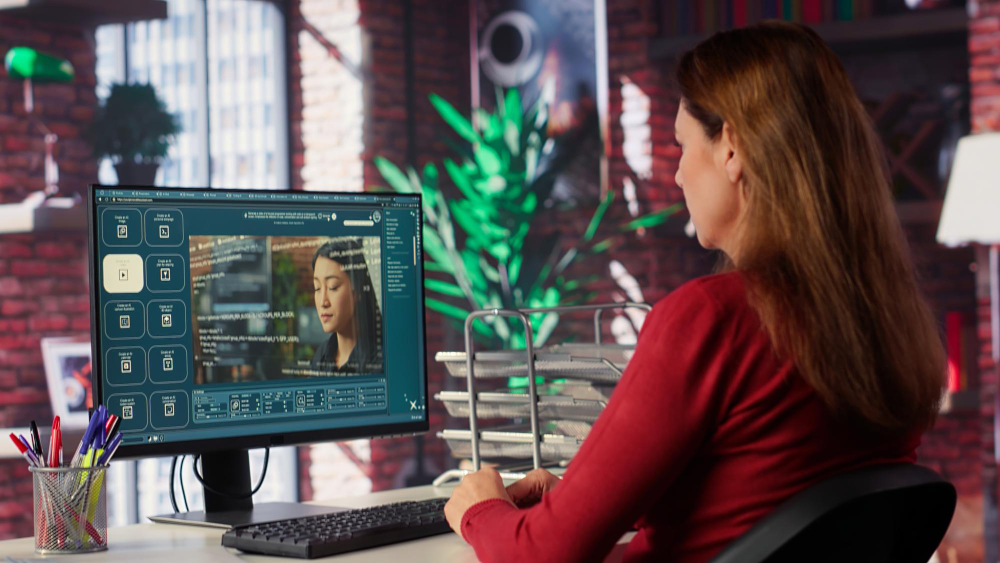
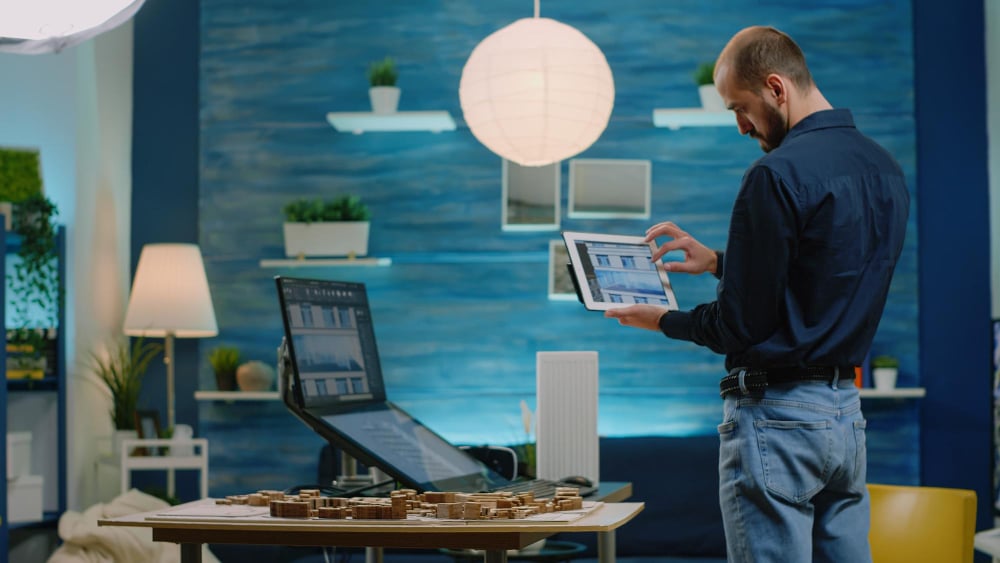
One of the most essential elements in your toolkit is design and modelling software. Traditionally, architects used manual drafting techniques, but now, 3D design software such as CAD design software, has become the industry standard. These programs enable you to create precise, detailed models of your projects to experiment and refine designs before construction. With CAD software, you can quickly adjust dimensions, test materials, and even simulate real-world conditions like lighting and climate. Collaborating with other professionals via online CAD software is another great advantage, as changes are reflected instantly.
AI in Architecture
41% of architects are already using AI and there are many cases in which it’s incredibly helpful. For example, it can optimise design processes by analysing vast amounts of data. It can also develop a building’s layout and automatically maximise energy efficiency or reduce costs based on historical data. Impressive, right?
AI tools can also help with site analysis and detecting patterns. For instance, using AI-driven analysis, you can evaluate a site’s traffic patterns, weather data, and local infrastructure to inform your design choices.
Visualisation Tools
Visualisation tools allow you to take your digital designs to the next level, creating stunning, lifelike representations of your projects. Programs like Lumion and Enscape offer powerful rendering capabilities that help you present your ideas to clients and stakeholders with exceptional clarity. This is great for showing off a new design as 3D renderings make it easier for others to understand your vision.
Additionally, virtual reality (VR) has made its way into architecture, offering an immersive experience where clients can ‘walk through’ designs before construction starts. This not only helps clients visualise the project more effectively but also enables you to identify potential issues that might not be obvious from flat renderings.
Project Management Tools
Managing a project from start to finish requires efficient tools for planning and execution. Tools to simplify project management provide a central hub for communication, timelines, and progress tracking.
Project management software also helps with budgeting and scheduling, allowing you to monitor resources, track costs, and adjust timelines as needed. Instead of relying on spreadsheets or paper notes, project management technology consolidates all your critical project data in one place.
Paving the Future of Architecture
Incorporating these technologies into your workflow can make a significant difference in both the efficiency and creativity of your designs. By embracing the latest tools, you can improve collaboration and bring your architectural visions to life with greater precision and speed.
Don't Miss