

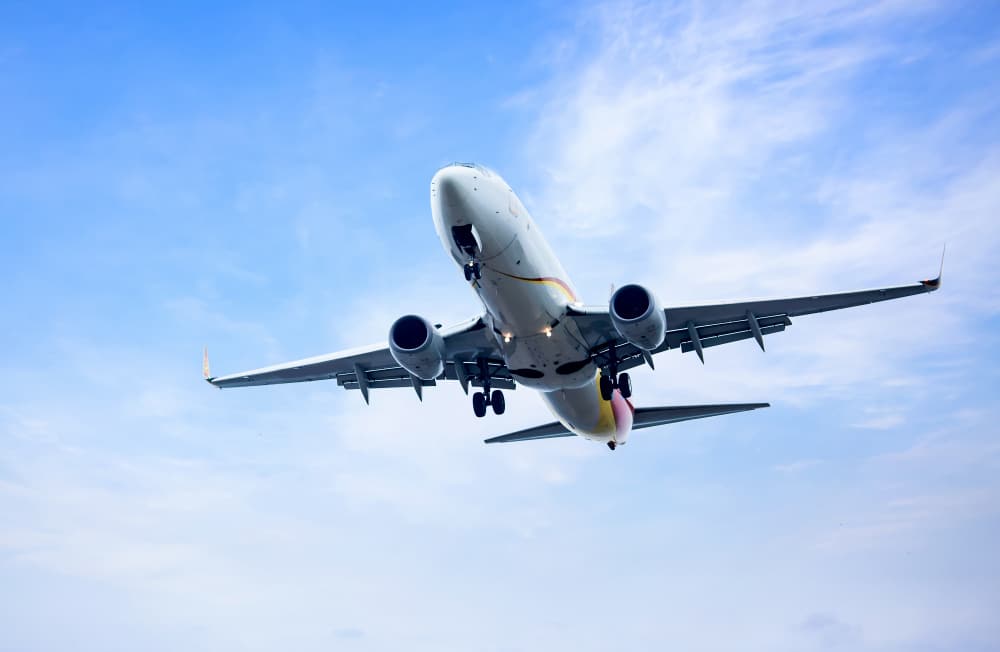
Imagine you’re on a flight, cruising high in the sky, and suddenly, the pilot announces that the plane is making an unexpected stop at another airport. This is called an emergency diversion. It’s a rare event where a flight has to change its course because of an urgent situation that needs attention like a medical emergency, mechanical problem, or safety concern.
1. Why Do Flights Get Diverted?
- Mechanical Issues: Sometimes, the plane has a technical problem, like engine trouble, that needs fixing right away.
- Health Problems: If someone on board gets sick or has a medical emergency, the plane might have to land quickly to get them help.
- Weather: Bad weather, like thunderstorms, might make it dangerous to continue flying on the original path.
- Safety Concerns: If there’s a security issue, like a suspicious object or passenger, the flight might be diverted.
2. What Happened on United Airlines Flight UA770?
Flight UA770 was flying from Chicago to San Francisco, but about an hour into the journey, the crew noticed something was wrong. They decided to make an emergency diversion to a nearby airport to keep everyone safe. It was later revealed that the diversion happened because of a mechanical issue that could have affected the plane’s safety if they continued flying.
3. What Did Passengers Experience?
Passengers on the flight got nervous when they heard the announcement about the diversion. But the flight crew kept them calm by explaining the situation and reassuring them that everything was under control. Everyone followed the crew’s instructions, and soon enough, the plane landed safely at a nearby airport.
4. What Happened After the Plane Landed?
Once the plane landed at the new airport, passengers were safely escorted off the plane. United Airlines quickly helped people get rebooked onto new flights or arranged accommodations if they needed to stay overnight. The airline made sure passengers were taken care of while they waited for the next steps.
5. Why Are These Procedures So Important?
Emergency diversions are all about safety. Airlines have strict procedures in place to handle these situations, and they are designed to keep everyone calm and protected. Even though it might be inconvenient, it’s better for a flight to land early and safely than to take a risk by continuing the journey.
6. What Can You Learn from This?
The key takeaway is that diversions, though uncommon, are part of the system designed to ensure your safety. Flight crews are trained to handle these situations, and airlines like United Airlines take quick action when something goes wrong. It’s also a reminder that, no matter how much planning goes into a flight, things can change unexpectedly, and safety is always the number one priority.
In the end, United Airlines Flight UA770 Emergency Diversion showed how airlines react quickly and carefully in emergencies, putting passengers’ safety first above all else.
Common Reasons for Emergency Diversions
An emergency diversion happens when a flight has to land somewhere unexpected because of a serious problem. Here are the common reasons why that could happen:
1. Mechanical Issues
- Sometimes, the plane might have a technical problem like an engine malfunction or an issue with the navigation system. If the problem could affect safety, the pilots will choose to land at the nearest airport to fix it rather than keep flying.
2. Medical Emergencies
- If a passenger gets sick or has a medical emergency, the crew may decide it’s best to land quickly so the person can get proper medical help. It could be something serious like a heart attack or a bad allergic reaction.
3. Weather Problems
- If there’s really bad weather ahead, like thunderstorms or heavy winds, it might be safer for the plane to land at a different airport. Flying through dangerous weather could be risky, so the crew will divert the plane to make sure everyone stays safe.
4. Security Concerns
- Sometimes, there might be a security issue on board, like a suspicious package or an unruly passenger. In such cases, the plane may be diverted to a safe location where police or emergency teams can deal with the problem.
What is a United Airlines Flight UA770 Emergency Diversion?
Emergency diversions are a part of aviation safety protocols that occur when a flight needs to change its route or destination due to unforeseen circumstances. These diversions, while rare, are critical for ensuring the safety of passengers, crew, and the aircraft itself. The decision to divert a flight, such as United Airlines Flight UA770 Emergency Diversion, is never made lightly, as it involves a thorough assessment of the situation by the flight crew, air traffic control, and airline operations.
There’s often confusion between an “emergency diversion” and a regular diversion. While a routine diversion might happen due to reasons like bad weather or airport congestion, an emergency diversion is triggered by a critical situation whether it’s a medical emergency, a technical issue, or a security threat. Emergency diversions usually require the plane to land at the nearest suitable airport, where passengers can be safely offloaded, and the issue can be assessed and resolved.
Common Reasons for United Airlines Flight UA770 Emergency Diversion
- Mechanical Issues: One of the most common causes of United Airlines Flight UA770 Emergency Diversion involves mechanical malfunctions. These issues could range from engine problems to faulty navigation systems. While modern aircraft are equipped with advanced technology to detect malfunctions early, the safety of the passengers remains the top priority, and any mechanical fault that could compromise safety may trigger a diversion.
- Health Emergencies: Medical emergencies on board are another frequent reason for diversions. A passenger may experience a sudden health crisis that requires immediate medical attention. In such cases, the flight crew will coordinate with air traffic control to find the nearest hospital-equipped airport for a safe landing.
- Weather Conditions: While pilots are highly trained to handle various weather conditions, there are extreme scenarios such as severe turbulence, thunderstorms, or even volcanic ash clouds that can force a diversion. In such cases, the safety of the passengers and the aircraft outweighs the original flight plan.
- Security Concerns: In rare situations, security threats, such as a suspicious package or unruly passengers, may necessitate an emergency diversion. These diversions are often coordinated with law enforcement and airport security, ensuring the safety of all onboard.
The Timeline of United Airlines Flight UA770 Emergency Diversion
The Initial Situation
United Airlines Flight UA770 Emergency Diversion began like any other routine transcontinental flight from Chicago O’Hare to San Francisco. The plane was cruising at an altitude of 30,000 feet when the emergency diversion was first announced. The flight had departed as scheduled, and everything seemed normal. However, within an hour into the flight, an issue arose that required the crew to consider an emergency landing.
While the airline did not initially release specifics about the problem, it was later revealed that the diversion was prompted by a mechanical issue that could potentially affect the safety of the aircraft. The flight crew immediately alerted air traffic control and began working through the necessary procedures for a safe diversion.
Passengers on board were informed of the situation via the PA system. There was a noticeable sense of concern, as the crew assured them that the decision to divert was made out of caution. The aircraft was rerouted, and the flight path adjusted accordingly.
The Critical Moment of United Airlines Flight UA770 Emergency Diversion
As the flight continued on its diverted path, the crew made further announcements, keeping passengers updated about their progress. The plane was heading towards a nearby airport for an unscheduled landing. This marked the critical moment in the flight: the point at which the safety of everyone on board became the top priority.
By the time the plane began its descent, the captain confirmed that they would be landing at a regional airport with sufficient runway space to accommodate the aircraft. Passengers, though anxious, were reassured by the calm and professional demeanor of the flight crew.
The Decision-Making Process Behind United Airlines Flight UA770 Emergency Diversion
The decision-making process for emergency diversions, like United Airlines Flight UA770 Emergency Diversion, involves multiple steps. The pilot, co-pilot, and air traffic control must evaluate the situation in real-time. If the situation is critical whether it’s a mechanical fault or medical emergency the crew will assess the nearest airports to make an informed decision.
In this case, United Airlines Flight UA770 Emergency Diversion crew worked in close coordination with air traffic controllers to select an airport that could safely accommodate the aircraft. The decision is based on multiple factors, including weather conditions, airport facilities, and the nature of the emergency.
Passenger Reactions and Crew Response During United Airlines Flight UA770 Emergency Diversion
How Passengers Reacted to United Airlines Flight UA770 Emergency Diversion
When the announcement of the United Airlines Flight UA770 Emergency Diversion was made, passengers had a mix of reactions. For many, this was their first experience with an in-flight diversion, and understandably, the news caused anxiety. Some passengers were concerned about the aircraft’s safety, while others were eager to learn more about the situation.
In these situations, passengers often look to the flight crew for guidance and reassurance. The crew, well-trained in handling such scenarios, responded with calm professionalism. They kept passengers informed about the situation, reassuring them that everything was under control and that the diversion was a precautionary measure.
Many passengers noted how the crew maintained order during the emergency. The flight attendants were available to answer questions and provide assistance to those who needed it, especially to nervous or elderly passengers. Communication was key in managing the overall mood onboard.
United Airlines Flight UA770 Emergency Diversion: Crew and Staff Response
United Airlines Flight UA770 Emergency Diversion was handled with the utmost professionalism. The crew’s response was praised by many passengers for its calm and efficient management. The pilots kept everyone in the loop with timely updates, explaining the reasons behind the diversion and providing reassurance that the decision was made with passenger safety in mind.
Cabin crew members, on the other hand, were proactive in calming the passengers. They moved through the cabin to check on passengers, offer assistance, and answer questions. Their experience and training in handling emergency situations played a crucial role in ensuring that the diversion didn’t escalate into panic.
The Diversion: What Happened on the Ground After United Airlines Flight UA770 Emergency Diversion?
Where Did United Airlines Flight UA770 Emergency Diversion Land?
United Airlines Flight UA770 Emergency Diversion took the aircraft to a regional airport about 100 miles from its original destination. This airport, while not as busy as major airports like San Francisco International, was fully equipped to accommodate the aircraft and ensure a smooth landing.
Once the plane landed, emergency responders were immediately on hand to assist. Medical personnel were available to attend to any potential health issues, and airport staff were prepared for the plane’s arrival.
Ground Operations After United Airlines Flight UA770 Emergency Diversion
Once the aircraft landed, passengers were deplaned and directed to a designated area inside the airport terminal. United Airlines quickly arranged for replacement transportation for passengers who were continuing their journey to San Francisco. Ground staff were on hand to assist with rebooking flights, providing food and drink, and answering questions.
For some passengers, this diversion meant a delay in their travel plans, but United Airlines ensured that everyone was taken care of. The airline offered vouchers, meals, and overnight accommodations where necessary, showing their commitment to passenger comfort even in the midst of an unexpected situation.
The Safety Protocols in Place for United Airlines Flight UA770 Emergency Diversion
What Protocols Are Followed in an Emergency Diversion, Like United Airlines Flight UA770 Emergency Diversion?
United Airlines Flight UA770 Emergency Diversion followed strict protocols to ensure the safety of passengers. These protocols are designed to ensure the safety and well-being of everyone onboard. When an emergency arises, the crew will assess the severity of the issue and make the necessary decision to either continue the flight or divert.
In the case of United Airlines Flight UA770 Emergency Diversion, the decision was made quickly and decisively. The flight crew adhered to standard emergency procedures, which included notifying air traffic control, selecting a safe airport for landing, and keeping passengers informed throughout the process. The crew’s ability to maintain order and reassure passengers helped prevent panic and ensured that the diversion was as smooth as possible.
The Role of Technology in Managing United Airlines Flight UA770 Emergency Diversion
In modern aviation, technology plays a crucial role in managing emergency situations like the United Airlines Flight UA770 Emergency Diversion. Air traffic control systems, onboard navigation equipment, and communication tools enable flight crews to make informed decisions. For instance, the crew of UA770 had access to real-time data regarding nearby airports, weather conditions, and available runway lengths, allowing them to choose the safest location for an emergency landing.
Advanced cockpit technology also allowed the pilots to maintain control of the aircraft despite the diversion. In addition, the use of satellite communication systems ensured that the flight crew could stay in constant contact with both air traffic controllers and United Airlines ground operations, ensuring a seamless response to the emergency.
Lessons Learned and What This Means for Future Travelers
What Can Other Airlines Learn from United Airlines Flight UA770 Emergency Diversion?
The emergency diversion of United Airlines Flight UA770 highlights the importance of preparation and communication. The crew’s ability to remain calm, the timely decision to divert, and the efficient handling of ground operations all served as best practices for other airlines to follow. For example, ensuring that all staff members are trained to handle emergency situations both in the air and on the ground can make a significant difference in how passengers experience such events.
Additionally, the event also emphasizes the need for modern technology in managing emergencies. Airlines that invest in real-time data systems, improved communication tools, and better ground support will be better equipped to handle similar situations in the future.
How United Airlines Flight UA770 Emergency Diversion Affects Future Travel Plans
For frequent flyers, United Airlines Flight UA770 Emergency Diversion is a reminder of the unpredictability of air travel. While diversions are rare, they are part of the necessary safety protocols that ensure passengers’ well-being. If you’re planning your next flight, it’s essential to remain flexible and prepared for any changes, especially if you’re flying during uncertain weather or to a busy destination.
Travelers can also take comfort in knowing that, despite any inconvenience a diversion may cause, airlines like United are committed to ensuring safety above all else. Being informed about the potential for diversions and understanding the process can help reduce anxiety during travel.
Conclusion
While the emergency diversion of United Airlines Flight UA770 was undoubtedly an unusual and unexpected situation, it’s important to understand that such diversions are a key part of ensuring safety in the aviation industry. Airlines and flight crews are well-prepared to handle these rare events, and the protocols in place prioritize passenger safety.
For future travelers, this event serves as a reminder that while diversions may cause delays, they are always made with the best interests of passengers in mind. United Airlines’ swift response and careful management of the diversion is a testament to their commitment to customer safety. Whether you’re a seasoned traveler or a first-time flyer, knowing what happens during an emergency diversion can provide valuable peace of mind for your future flights.
FAQs
What Happens to Your Flight if It’s Diverted?
When a flight is diverted, it lands at an alternate airport for safety reasons. Passengers are usually accommodated at the new airport, and arrangements are made to continue the journey.
How Often Do Emergency Diversions Happen?
Emergency diversions are rare but do occur from time to time due to unforeseen circumstances like medical emergencies or mechanical issues.
What Can Passengers Expect During an Emergency Diversion?
Passengers can expect clear communication from the flight crew and timely updates. The airline will ensure that passengers are taken care of on the ground and rebooked if necessary.
How Does United Airlines Communicate with Passengers During Diversions?
United Airlines prioritizes communication and ensures passengers are informed of the situation through the PA system, in-flight announcements, and on-the-ground support.
Don't Miss