

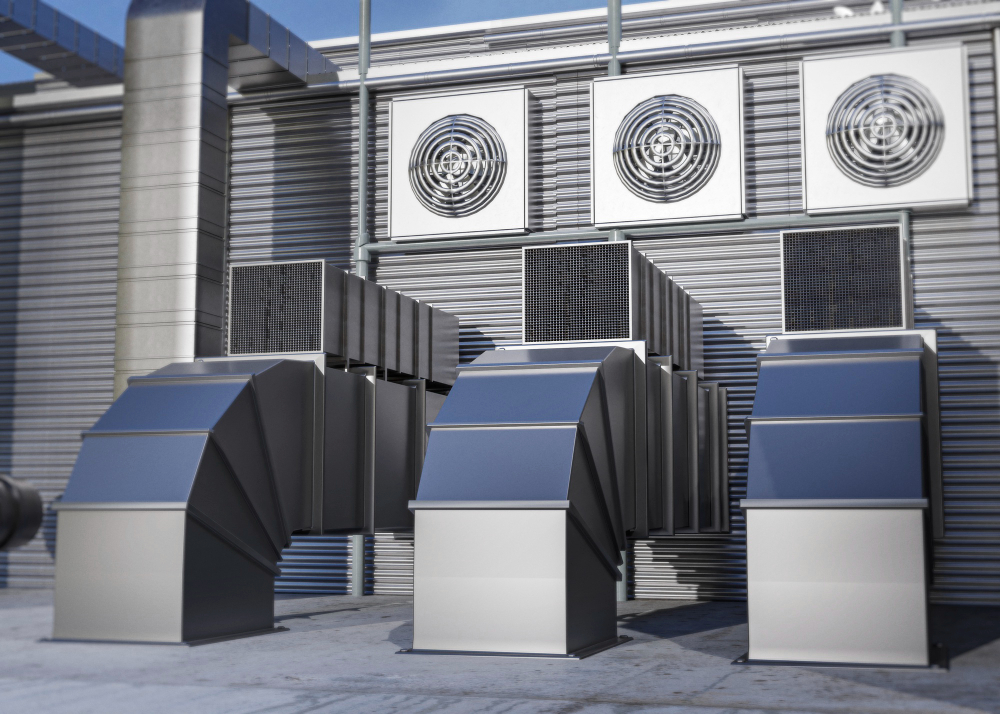
Fort Worth runs hot, breathes dust, and shifts moods with the wind. Inside, work keeps going because the air behaves. That steadiness does not happen by chance. It comes from commercial HVAC in Fort Worth, tuned to a region that never stays still.
When the air is right, meetings flow and customers linger. When air slips, everything feels off. People sense it first, then the numbers confirm it.
What “Commercial HVAC” Means Here
In a small office, an HVAC unit can feel simple. In a hospital or a mall, it becomes a living network. Fans, pumps, coils, controllers, and sensors talk to each other all day.
That is why commercial HVAC in Fort Worth is less about a single machine and more about choreography. The system learns traffic patterns, reads temperature drift, and corrects quietly. You feel the effect, not the effort.
Built for Extremes
Triple-digit afternoons. Sudden cold snaps. Pollen bursts and construction dust. The climate writes the rules.
Designers build commercial HVAC in Fort Worth to handle heat loads, humidity swings, and airborne grit without spiking energy use. Filtration matters. Dehumidification matters. Pressure balance matters. If any one piece lags, comfort slips, and costs rise.
Engineering for Scale and Purpose
Every building has a different heartbeat. A warehouse needs heat removal and fresh air turnover. A clinic needs stable humidity and tight temperature bands. A campus needs zones that flex by the hour.
So, commercial HVAC in Fort Worth is mapped like a circulatory system. Ducts as arteries. Sensors as nerves. Controls as the brain. When the plan is right, rooms feel even, doors close softly, and the sound stays low.
The Human Factor
Software helps. Instinct finishes the job. Technicians in this city read a unit by its hum, a vent by its vibration, a coil by its smell after rain.
The crews who keep commercial HVAC in Fort Worth alive work on rooftops in July and crawl spaces in January. They find the refrigerant leak before the failure. They catch the out-of-calibration sensor before a client complains. Quiet wins.
Air Quality Is Productivity
Temperature is only part of comfort. Stale air fogs thinking. Poor filtration invites headaches. Low humidity dries eyes and wood, while high humidity breeds problems you cannot see.
Modern systems tied to commercial HVAC in Fort Worth rotate outdoor air in smarter cycles, use higher-grade filters where needed, and apply UV or bipolar ionization in sensitive zones. Clean air does not advertise itself. People simply feel better and stay focused longer.
Retrofit Instead of Rip-and-Replace
A lot of Fort Worth’s best buildings carry history. Full replacements can be wasteful. Retrofitting makes sense.
Upgrades add variable speed drives, smarter controls, and better coils to existing backbones. With the right design, commercial HVAC in Fort Worth turns older properties into steady, efficient performers without losing brick, timber, or character.
Noise, Design, and Invisible Comfort
If you can hear the vent, something is off. Good design accounts for duct runs, turns, insulation, and fan curves before a unit is ever powered on.
The goal of commercial HVAC in Fort Worth is simple. Comfort should be felt, not heard. When the system disappears into the background, attention stays on work, care, and sales.
Smart Controls, Real Savings
Sensors now read occupancy, CO₂ levels, supply and return temps, and weather data together. Zoning trims waste. Fault detection flags issues early. Remote dashboards let a single manager oversee many roofs.
Used well, these tools make commercial HVAC in Fort Worth predictive instead of reactive. Bills drop. Complaints fall. Equipment lasts longer. The best savings are the ones you never notice because nothing failed.
Responsibility and Resilience
Heat waves test grids. Efficient buildings help the whole city. New refrigerants, energy recovery, and right-sized equipment lower demand without lowering comfort.
Owners who invest in commercial HVAC in Fort Worth build resilience. Less waste, fewer surprises, and a cleaner footprint. Clients and tenants notice that kind of care, even if they never mention it.
Replace or Repair
Everything wears. Rising energy use, uneven rooms, and frequent calls are signals. Past a point, repairs chase symptoms.
A clean replacement under the umbrella of commercial HVAC in Fort Worth often pays itself back in a few summers. Quieter operation. Stronger dehumidification. Better control. Fewer emergency visits.
Architecture and Air Working Together
Great buildings guide air rather than fight it. Early collaboration hides ducts, shortens runs, and places equipment where service is easy and sound is low.
When design and commercial HVAC in Fort Worth move together from day one, the result looks better and costs less to run. Beauty and function share the same path.
The Ripple Effect
Each project touches a long chain of local pros. Engineers. Sheet-metal shops. Controls specialists. Electricians. Service techs. The industry keeps money and skill in the region, while efficient buildings ease the load on the grid for everyone.
That is the quiet economy behind commercial HVAC in Fort Worth. Comfort on the surface. Jobs and reliability underneath.
Quick FAQs
1) How often should systems be serviced in this climate?
Quarterly is a strong baseline. Filters and coils face dust, heat, and humidity that change quickly. Regular checks prevent drift.
2) What are the fastest ways to cut energy use without replacing everything?
Tighten schedules, add smart thermostats, fix economizer settings, seal duct leaks, and verify airflow. Small steps first, then deeper retrofits.
3) Our building is historic. Can we still improve air quality?
Yes. High-efficiency filters sized correctly, supplemental ventilation where feasible, and discreet sensor networks make a big difference without altering architecture.
4) Why are some rooms always stuffy?
Often a balance issue. Wrong diffuser, poor return placement, blocked dampers, or a sensor in the wrong spot. A diagnostic airflow survey usually finds it.
5) When does replacement make more sense than repair?
If failures repeat, comfort is inconsistent, and energy spikes persist through a season, a lifecycle analysis will often favor new equipment within a three to five-year window.
Closing Thoughts
If the air felt effortless today at work, someone planned that. Someone tuned a schedule, cleaned a coil, reset a sensor, or redesigned a duct run months ago. That is the nature of commercial HVAC in Fort Worth. Reliable when the sun punishes. Quiet when storms roll in. Always there, so people can forget about air and get on with everything else.