
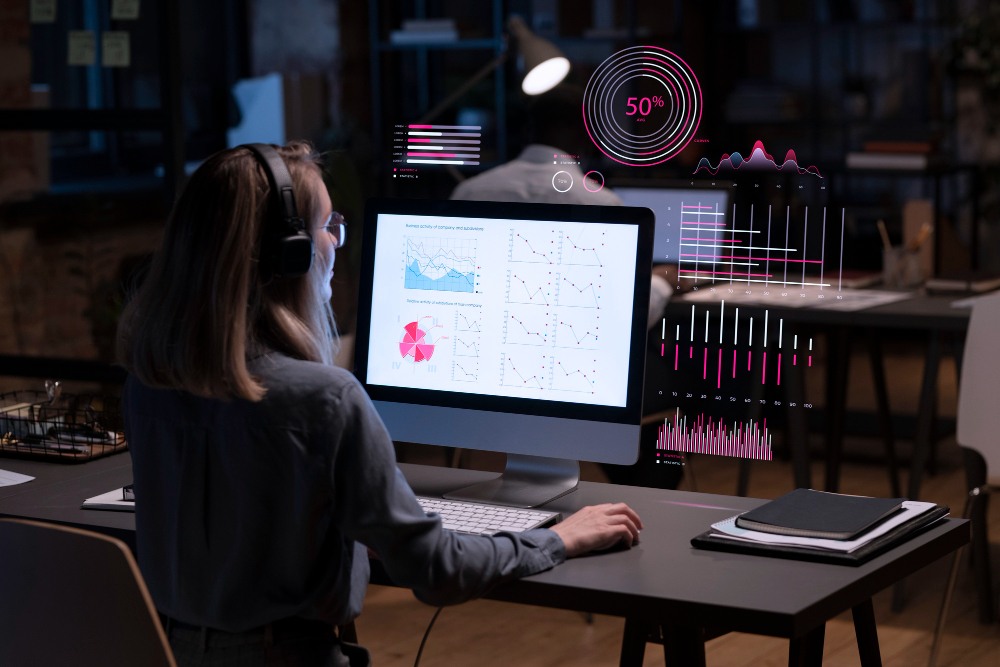
In a world where people vote in real time and digital discussions determine brand perception, the sector is no longer able to depend on simple monitoring tools. High-level media intelligence software has gained importance among the organizations that desire to know the sentiment, identify new trends, and be proactive to respond to alterations in the media domain. These platforms go beyond an actionable surface level tracking to provide actionable insights that can be used to make smarter decisions.
With the growing number of media channels and the increase in the vocality of audiences, the business requires a strong media intelligence solution capable of processing large amounts of data in the form of news, blogs, forums, and social media platforms among others. The latest types of intelligence software enable organizations to transcend the reactive monitoring process to the creation of insight.
Highly sophisticated Media Intelligence Software.
Highly developed media intelligence programs are aimed at gathering, processing, and interpreting the information in media in real time with various sources. It is different, unlike traditional monitoring tools, where it aims at sentiment detection, tracking trends, and understanding the context of the media coverage. These platforms offer more information regarding the perception of brands, competitors, and industries by using AI, natural language processing, and machine learning.
A fully operational media intelligence solution consolidates information in both digital and traditional media and converts unstructured information into useful intelligence. Companies are able to understand trends, observe the change in mood, and learn how stories can develop over time.
Sentiment Analysis: Public Relation.
Sentiment analysis is one of the most useful tools of advanced media intelligence. This characteristic measures the mentions of the media to ascertain whether there is a positive, negative, or neutral coverage. Advanced platforms also go beyond and recognize the emotional tone, intent and strength behind the conversations.
Sentiment analytics assists companies:
- Ernst brand reputation.
- Early detection of possible PR risks.
- Review campaign performance.
- Knowing customers and prominent responses.
Sentiment analysis combined with historical data will enable organizations to identify the emergence of change in perception before they become bigger issues.
Trend Detection: How to be ahead of the Market.
Another important advantage of the modern media intelligence services is trend detection. The channels identify new interests, industry changes, and shifts in consumer interests by analyzing the trends across the media channels. The ability to detect the trends at early stages allows the businesses to respond in a proactive manner instead of reactively.
No matter whether it is keeping track of viral discussions, rival movements, or changes in audience sentiment, trend detection will facilitate strategic planning, product development, and marketing optimization. Companies that identify the trends at the earliest stages of their development have a competitive edge in the rapidly changing markets.
The Social media intelligence role.
Social media intelligence is at the center of the sophisticated analysis of media. The social platforms create huge amounts of real-time data, which indicate the opinion of the population, customer reviews, and the cultural tendencies. The media intelligence software interprets this information and identifies the sentiment drivers, the power of an influencer, and the dynamics of a conversation.
Through a combination of social knowledge and historical data on the use of media, businesses can have the ability to see the whole picture in terms of how stories propagate and develop. This is a holistic process that makes sure that mainstream coverage as well as the grass-root dialogues can be taken into account when making decisions.
Media Monitoring Solutions vs. Simple Tools.
In most cases, small operations begin with simple monitoring tools like Google Alerts, and they prove to have shortcomings. Although they are useful in the case of a basic notification, they are less deep, more precise, and analytical. Media monitoring tools nowadays are much more useful because they provide sentiment analysis, trend detection and custom reporting.
To organizations that want to replace Google Alerts, organizations should use advanced media intelligence software which provides:
- In-time surveillance over international sources.
- Proper sentiment and emotion analysis.
- Trend forecasting and predictive perspectives.
- Automated reports and centralized dash boards.
These capabilities will reduce monitoring to actionable intelligence.
The Perks of a Unified Media Intelligence Platform.
A single media intelligence system is a convergence of monitoring, analysis, and reporting of information. The integration enhances efficiency, lessens human effort, and guarantees uniform insights within groups. The same intelligence can be accessed by marketing, PR, communications, and leadership teams to facilitate the same and make decisions.
Key benefits include:
- Better management of brand and reputation.
- Response to the media risks and opportunities faster.
- Empirical campaign analysis.
- More competitive positioning.
Final Thoughts
The information age today has put the advanced media intelligence software as no longer an option by the organizations. These platforms make businesses have a clear and confident understanding of the impact of media through the use of sentiment analysis, trend detection, social media intelligence, and powerful analytics.
To those companies that seek more than mere alerts and conventional monitoring, it is prudent to invest in sophisticated media intelligence services, which will offer the insight that will ensure that the company protects its brand name, predicts change and remains ahead of the pack in the fast-evolving media environment.
Don't Miss