

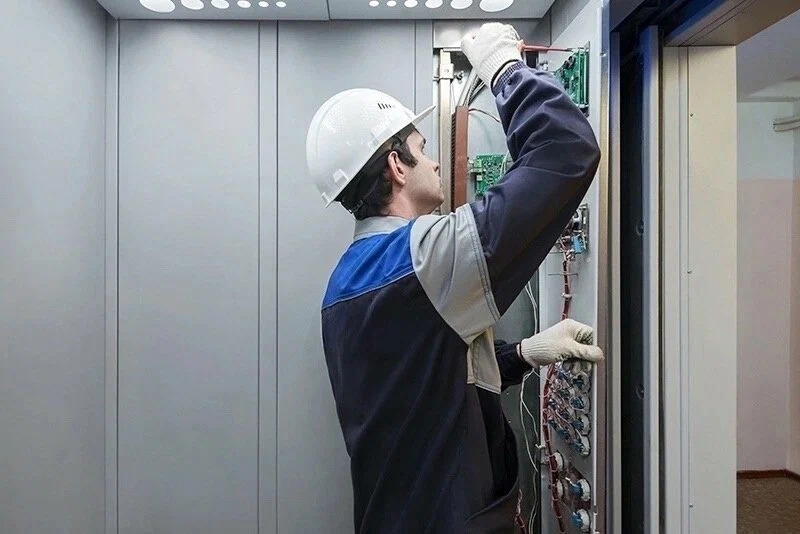
Residential elevators offer easy and dependable transfer between the levels in a house, particularly one that has many stories. As with any mechanical system, wear occurs over time as it is used. Any changes of performance, which are small, can be seen before big problems arise. If homeowners can identify these early indications, homeowners can handle concerning issues prior to them impacting safety or capability. One of the key factors to having a reliable elevator system is being able to keep your eye out for odd behaviours.
Action is important when signs start to occur. You may hear strange noises, movement that is delayed, malfunctioning doors and unexpected shutdowns, and encountering these problems suggests that there are issues that need to be evaluated. Elevating your home concerns is solved with residential elevator repair prior to them turning into additional major system failings. Delaying repairs can result in bigger expenses and repairs. By knowing the signs of the most frequent problems, homeowners can help ensure safe and consistent elevator operations year-round and make decisions about their condition.
Why Early Detection Matters for Residential Elevators
The Connection Between Small Issues and Major Breakdowns
Elevator failures typically don’t happen all at once. Little problems are frequently the first to emerge. Just a little vibration, a slight lag or some weird noise is not that big of a deal. But these symptoms often are markers of failure of essential parts.
In mechanical systems, forces are continually applied to one another. If one component goes out of order, other components may be subjected to an extra strain. This strain raises the possibility of bigger system failures over time. Taking care of concerns in the initial phase prevents the development of big repairs.
Safety Concerns for Household Members
Elevators are used to transport family members, guests and people with a mobility impairment to a residence. Any failure can have an impact on the safety of the rider. If the door won’t close or the elevator gets stuck in between floors, there are reasons to be concerned.
Safety systems are designed to operate reliably. However, components can become ineffective because they are worn. Standard checks and speedy service keep the house safe to operate and decrease potential dangers in the house.
The Cost Impact of Delayed Repairs
Homeowners may wait for elevator maintenance since it is still working. Unfortunately, too often, the longer the delay in inspections, the costlier the repairs will be. If the cable is worn or the sensor is damaged, the damage can spread to other components.
Professional technicians are able to detect problems before they become propagated throughout the system. This method can often lead to reduced repair costs and downtime. It also prolongs the useful life of vital elevator parts.
Common Warning Signs That Indicate a Need for Residential Elevator Repair
Unusual Noises During Operation
Elevators do not produce a lot of noise. If the grinding, squeaking, rattling or clicking noises are heard, it should be taken into consideration. These sounds may be caused by worn bearings, loose parts or alignment problems.
Any change in the sound must not be overlooked. A technician is able to establish if the sound is coming from the drive system, the rails or from another mechanical system. If homeowners are hearing the sounds persist, they should get an inspection as soon as possible.
Slow or Jerky Movement Between Floors
A smooth ride is an indication of proper system operation. Unusual and sudden movements or jerks can indicate a problem. These may be caused by mechanical wear, motor issues or control system issues.
The system needs to be evaluated if the speed of travel changes unexpectedly. Constant acceleration and stopping are good signs of an elevator’s health. If there are significant changes, it means there is a need for professional attention.
Elevator Doors Not Opening or Closing Properly
Elevator safety is of utmost importance for door systems. During all trips, doors should move freely and without jamming. If the cure takes too long, the closing is slow or you don’t get a complete closure, there is a mechanical or electrical issue.
If a door has a faulty operation, this may indicate sensor issues or alignment problems or worn components. These are symptoms that should be investigated immediately as they relate to rider safety and are part of a door system.
Frequent Stops or Unexpected Shutdowns
Each trip of an elevator should be unbroken. If you’re making a lot of stops from floor to floor or if there are unplanned shutdowns, it could mean a fault in the control system. This can be caused by power surges, safety device activation and more.
These events can cause passengers to be stranded and can be a safety concern. If the power is continually cycling off and on, homeowners should seek the advice of a qualified technician. Taking action prevents reoccurring disruptions and determines the root of the disruption.
Vibrations While Riding
Riding comfort should be assured for the passengers. High vibration levels are usually an indication of mechanical wear. This is often caused by a rail alignment issue, worn rollers or a concern with the drive system.
Lots of vibration puts extra strain on elevator elements. It could also impact comfort for passengers. A detailed inspection will identify the cause and stop any further decay.
Delayed Response to Control Buttons
Control buttons don’t require being slow. If there are delays, it could be a problem with the communication within the control system. Responsiveness may be impacted by electrical problems and by parts going bad.
This symptom may present itself prior to the onset of larger failures. If there has been a pattern of delays, the property owner should make the necessary arrangements for professional services before it gets to the point of worsening.
Interior or Exterior Lighting Problems
In some cases, lighting problems are not just a matter of a light bulb that has burnt out. If there are any flickering lights, there could be something wrong with the electricity in the elevator system. Lighting can be impacted by wiring problems and power supply problems.
Lighting issues should be carefully assessed since there are many functions that are managed by the electrical system. Professional technicians can figure out if the problem is caused by the fact that it’s just maintenance or if it’s a larger electrical problem.
Error Codes or Warning Indicators
Many modern elevators have warning signs for any faults. These alerts contain helpful information pertaining to system performance. Reading on and ignoring them may allow problems to continue to get worse.
If warning signs occur, homeowners should record the warning and talk to a service provider. Problems are identified by a professional diagnosis, and corrective action is taken.
Mechanical Problems Behind These Warning Signs
Frayed Cables and Belt Pulleys
Cables and pulleys have constant movement when using. Over time, wear is caused by friction and tension. The damage to cables may cause ride and system reliability problems.
Routine inspections prevent failures from occurring. During service visits, technicians inspect the condition of the cables, the tension in them, and the condition of the pulleys. This ensures safe handling and minimises unexpected downtimes.
Drive System and Motor Issues
The elevator is moved by the drive system. Ride quality, speed and reliability are all directly related to motor performance. Older motors can make odd noises or move in an odd manner.
These symptoms are typically recognized by the property owner before the entire failure. Residential elevator repair after early warning signs minimizes the need for a lot of parts to be replaced.
Rail and Alignment Problems
The elevator is kept moving smoothly between floors with the aid of guide rails. Misalignment can lead to vibrations, noise and irregular motion. Minor misalignment can impact comfort.
Special tools are used to check the position of the rails and system balance. Smooth operation reduces wear throughout the elevator system, and proper alignment helps to ensure this.
Brake System Concerns
Brakes are one of the critical safety parts of an elevator. They regulate the stopping accuracy and lock the cab during the standstill. Deterioration of brakes can impact performance and reliability.
Signs of brake issues are if the brakes make strange noises, if the car stops at unusual times or if it moves when it shouldn’t. Any brake system symptom should be treated as an emergency and dealt with by a professional. Proficiently adjusts and/or replaces faulty brakes.
There is a continuous need for mechanical systems. Thus, continuing inspections are crucial. If a homeowner sees early indicators and makes a timely call for residential elevator repair, he will probably have less disruption in his or her home and more reliability.
Electrical Issues That May Require Home Elevator Repair
Faulty Wiring Connections
Important parts of the elevator are electrically wired together. These connections enable a link between controls, motors, sensors and safety devices. Wiring can become loose over time, caused by vibration and operation.
Intermittent performance problems may be caused by loose or damaged wiring. You might experience slow motion, stalling or erratic performance. Sometimes, however, the elevator may not respond at all.
Comprehensive electric connections are checked during service visits by qualified technicians. They detect faulty wires and connections before they become serious problems. This approach helps minimize the chances of unplanned outages and operational issues.
Sensor Malfunctions
Sensors are used to assure safe operation in modern residential elevators. These devices are used to control the position of the doors, the movement of the cabs and the fit of the floor. If the elevator sensors fail, it can cause unpredictable behavior in the elevator.
The faulty sensor can cause doors to not close properly. Can also cause unnecessary safety shutdowns. The travel might be delayed, or there may be an interruption of operation for passengers.
Most problems with sensors happen slowly. For this reason, people tend to ignore the signs at the beginning. If the technician has noticed that the problem is recurring, they can schedule a service to get it fixed before it can cause issues with other parts.
Control Panel and Circuit Board Issues
The control panel is the command centre for the elevator. Circuit boards enable information to be processed and system functions of the circuit to be coordinated. If any of these components are faulty, performance can drop off rapidly.
Common errors are slow response, error messages, and inconsistent floor selection. The elevator may cease to function altogether in some cases.
A professional diagnostic will determine if the problem is in the circuit board, control panel or other electrical component. By getting the attention when it is needed, there is no need for further strain on connected systems, and reliable operation will be restored.
When Should Homeowners Call a Professional Elevator Repair Service?
Signs That Require Immediate Inspection
Some of the signs are serious and should not be ignored until a professional assessment has been provided. If the homeowner sees the following conditions, they should not wait:
- Stops on elevations between floors.
- The door doesn’t open or close properly.
- Odours of burning are present.
- Excessive vibration while travelling.
- The warning indicators repeat.
- Grinding or scraping noises start to occur.
The following are some of the symptoms that could mean they have mechanical or electrical issues. The cause is identified by a professional inspection, and corrective action is determined.
Problems That Should Never Be Handled as DIY Repairs
Residential elevators are made up of intricate mechanical and electrical components. Doing repair work without proper training poses safety hazards. The smallest changes can have a huge impact on the system’s performance.
Elevator parts are subject to very specific safety standards. Skilled technicians are familiar with manufacturers’ specifications and industry standards. They use specialized equipment to accurately inspect, diagnose and repair elevator systems.
It’s true that at every instance property owners need to turn to professional experts regarding their operation. This way, the passengers and equipment are safeguarded.
What Technicians Typically Check During an Inspection
A thorough inspection isn’t limited to a simple eye exam. A good technician will assess the following crucial factors:
- Drive systems
- Motors and controls
- Door operation
- Safety mechanisms
- Cables and pulleys
- Electrical connections
- Brake assemblies
This detailed evaluation enables technicians to find existing issues and also to discover new concerns. Regular inspections continue to be an important aspect of an elevator’s long-term ownership.
How Regular Residential Elevator Maintenance Reduces Repair Needs
Recommended Inspection Frequency
Generally, scheduled inspections are recommended by the manufacturers or service providers during the year. It is dependent on how much the elevator is used, age and system type.
In buildings that get a lot of elevator usage, it’s important to pay extra attention to homes. Routine checks help to prevent problems from occurring by detecting wear before it does. A proactive effort helps towards long-term reliability.
Components Commonly Checked During Maintenance
The maintenance visits are related to operating systems that are considered critical. Technicians inspect the condition, performance and safety of the components. Common areas of inspection:
- Door mechanisms
- Guide rails
- Motors
- Control systems
- Safety devices
- Cables
- Emergency functions
Every component is a vital part of its day-to-day functioning. Regular monitoring minimises unplanned failures and ensures reliable service.
Creating a Preventive Maintenance Schedule
Preventive maintenance offers a systematic way of maintaining an elevator. Homeowners plan their home inspections rather than respond to failures.
Service records are also very important. Documentation enables technicians to keep track of repetitive problems and to assess component wear as a function of time. An effective maintenance programme can minimize the requirement for complete residential elevator repair work in the future.
Factors That Influence Residential Elevator Repair Costs
Type and Severity of the Problem
The cost of repairs depends on the type of problems. Minor adjustments tend to be less labour-intensive, and fewer parts are required. Often more extensive work is required for major component failures.
Issues involving motors, control systems and safety equipment typically call for larger investments. Accurate diagnosis helps homeowners determine the repairs that need to be made before the job gets started.
Elevator Age and Model
Some components may be required for older elevators. In some instances, manufacturers may no longer make original parts. This can impact both the repair duration and the expense.
Many newer models feature more sophisticated diagnostic equipment. The features make troubleshooting easy and service procedures more streamlined. But advanced technology can have a need for special expertise in repairs.
Emergency Service Requirements
Often, requests for emergencies are received outside business hours. Rush jobs can include overtime and rush scheduling.
While sometimes it is impossible to avoid emergencies in the first place, regular checks minimize the risk of such incidents. Regular maintenance is among the most successful methods of controlling costs over the long term.
Choosing a Qualified Residential Elevator Repair Company
Certifications and Industry Experience
The choice of your service provider is a crucial one. It is essential for homeowners to find companies that have the relevant certifications and proven experience.
Highly trained technicians know the special demands of home elevators. By possessing such knowledge, they are able to pinpoint problems that need correction and suggest suitable remedies.
If the company has an established reputation for providing reliable service, they are likely to have a strong technical background.
Importance of Safety Compliance
Safety standards for elevators have been developed to safeguard the safety of passengers and property. Qualified service providers conduct repairs and inspections in accordance with the applicable codes, regulations and manufacturer guidelines.
Compliance is an indication of safe operating procedures. It also gives homeowners more assurance about the services received.
Conclusion
When functioning properly, residential elevators are convenient and accessible. Some odd sounds, vibrations, slow reaction times and door problems, however, are signs of trouble. If homeowners become aware of these warning signs early on, they can resolve any issues before they get worse. Professional inspections continue to be critical to safety and reliability. Also, regular maintenance will minimize the risk of unexpected failures. If any performance changes are noticed, having a residential elevator repair service as soon as possible will enable a technician to determine the cause of the change and get the elevator running efficiently again.
FAQs
What are the signs I need to look out for to determine if my home elevator needs repair.
Some signs are unusual noises, jerky movements, door malfunctions, warning messages and unexpected shutdowns. Symptoms frequently indicate mechanical or electrical problems that need to be addressed by a professional.
Are unusual noises a sign of a serious elevator problem?
Yes. If the grinding, rattling, squeaking or clicking noises are heard, this could be a problem with the components or alignment. If the sounds are recurring, it’s best to have a technician check it out as quickly as possible.
How many times should a residential elevator be checked?
Any manufacturer will say that it should be inspected regularly throughout the year. The optimum time of inspection could vary with usage, elevator age and system type.
How much does it cost to repair a residential elevator?
The costs depend on the severity of the problem, the type of elevator, parts required to be replaced and work needed. The most accurate estimate is from a professional inspection.
Don't Miss