

When you’re ready to get behind the wheel in the United States, the first step is obtaining your autorización para la conducción de vehículos. This is more than just a formalityit’s your legal permission to drive, and it comes with responsibilities. Whether you’re a first-time driver, a newcomer to the U.S., or someone transferring their foreign license, navigating the process can seem overwhelming at first. But don’t worry we’re here to guide you through every step.
In this guide, we’ll explain the process of obtaining your autorización para la conducción de vehículos from start to finish. By the end, you’ll have a clear understanding of what documents you need, how to prepare for your tests, and the best ways to ensure your application is successful.
1. What Is Autorización para la Conducción de Vehículos?
The term autorización para la conducción de vehículos refers to the legal authorization required to operate a vehicle in the United States. This includes obtaining a driver’s license, which serves as proof that you’ve met the necessary requirements to drive safely on public roads. For U.S. residents and immigrants alike, this process is crucial in ensuring that all drivers are properly trained and qualified.
While each state may have its own set of regulations for obtaining a driver’s license, there are common steps that apply nationwide. The key to success is understanding these steps and preparing well in advance.
2. Step-by-Step Guide to Obtaining Your Autorización para la Conducción de Vehículos
Step 1: Determine Your Eligibility
Before you can begin your application, it’s important to verify that you meet the basic eligibility requirements for obtaining a driver’s license. These include:
- Age Requirement: Most states require you to be at least 16 years old to apply for a driver’s license. Some states may allow younger individuals to apply for a learner’s permit at age 15 or 16.
- Residency Status: Generally, you need to be a legal resident of the state where you’re applying. In some cases, foreign nationals may be eligible to apply as well.
- Medical Conditions: If you have any medical conditions that could impair your ability to drive (e.g., poor vision, epilepsy), you’ll need to provide medical documentation.
Step 2: Gather Your Documents
One of the most important steps in the process is gathering all necessary documentation. Depending on your state, you may need:
- Proof of Identity (e.g., passport, birth certificate, or permanent resident card)
- Proof of U.S. Residency (e.g., utility bills, bank statements)
- Social Security Number (SSN) or Individual Taxpayer Identification Number (ITIN)
- Proof of Legal Presence (for immigrants, such as a visa or work permit)
Each state may have different document requirements, so it’s always a good idea to check your local DMV’s website for specific information.
Step 3: Complete the Written Test
Before taking the road test, most applicants are required to pass a written knowledge exam. The test typically covers:
- Traffic laws and rules of the road
- Road signs and signals
- Safe driving practices
You can prepare for this test by reviewing the state’s driver’s manual, which is often available online. Many DMVs also offer practice tests to help you get familiar with the types of questions you’ll face.
Step 4: Take the Vision Test
Once you’ve passed the written test, the next step is to complete a vision test. This test ensures you meet the minimum vision requirements for safe driving. If you wear corrective lenses, you’ll need to bring them with you.
If you fail the vision test, you may be required to get corrective eyewear before taking the test again.
Step 5: Complete Behind-the-Wheel Training (If Required)
In many states, new drivers are required to complete behind-the-wheel training as part of the licensing process. This involves enrolling in a driver’s education course, where you’ll receive both classroom and practical training in a vehicle.
In some states, the training can be waived if you are over a certain age or if you have prior driving experience in another country. It’s essential to check the specific requirements of your state.
Step 6: Take the Road Test
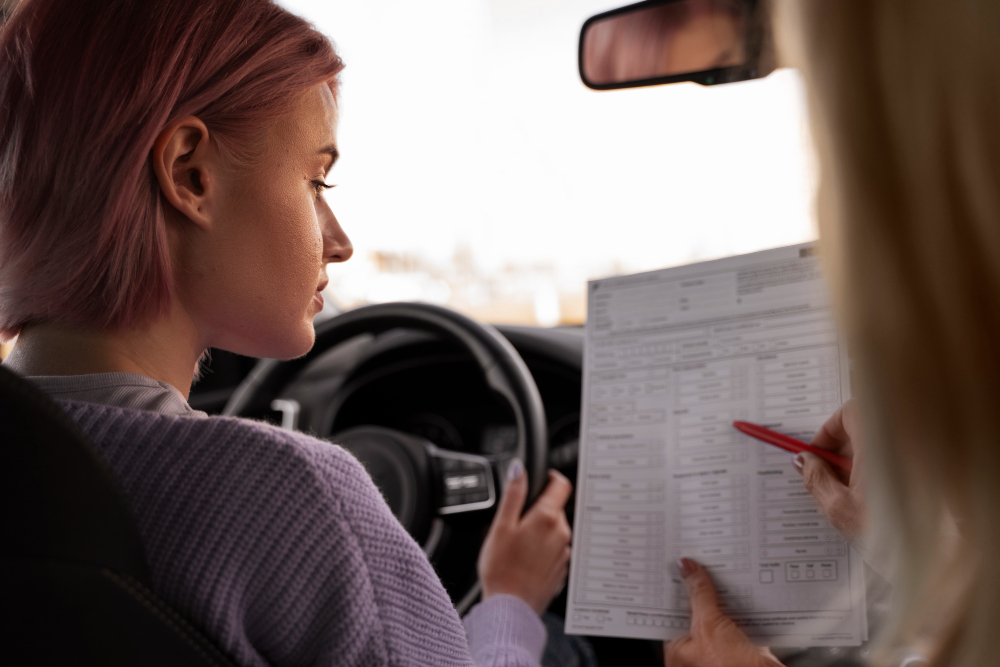
The road test is the final step in obtaining your autorización para la conducción de vehículos. During the test, you’ll drive a vehicle with an examiner who will evaluate your driving skills. You’ll need to demonstrate your ability to:
- Control the vehicle safely
- Follow traffic signals and signs
- Parallel park, change lanes, and make turns
To pass, it’s crucial to stay calm and focused during the test. Prepare by practicing in the same type of vehicle you’ll use for the exam.
Step 7: Submit Your Application and Pay Fees
Once you’ve passed all the necessary tests, you’ll need to submit your application and pay the required fees. These fees vary by state but typically range from $20 to $100.
If you’ve passed the road test, you may receive a temporary license while you wait for your official driver’s license to arrive in the mail.
3. Common Mistakes and How to Avoid Them
1. Missing Required Documents
One of the most common reasons for delays in the process is missing or incomplete documentation. Be sure to carefully review the list of required documents provided by your state’s DMV.
2. Failing the Written or Road Test
Many applicants fail their written or road test on the first try. This can be avoided by thoroughly studying the driver’s manual and practicing driving in various conditions.
3. Not Preparing for the Road Test
The road test is often the most stressful part of the process. Make sure to practice your driving skills beforehand, especially in areas like parallel parking, turning, and merging onto highways.
4. Special Considerations for Immigrants and Foreign Nationals
If you’re an immigrant or foreign national, you may face additional hurdles in the application process. For example:
- Can You Use Your Foreign Driver’s License? In some states, you can drive with a foreign license for a certain period after arriving in the U.S. However, you’ll eventually need to apply for a U.S. license.
- How to Transfer Your Foreign License: Many states allow you to transfer your foreign driver’s license to a U.S. one without having to take the road test. However, you’ll need to provide proof of your foreign license and pass a written knowledge test.
- What If You Don’t Have a Social Security Number (SSN)? If you don’t have an SSN, you may still be able to obtain a driver’s license by applying with an ITIN (Individual Taxpayer Identification Number) or other documentation.
5. Tips for a Smooth Application Process
- Schedule an Appointment: Many DMVs allow you to schedule appointments online, which can save you time and reduce wait times at the office.
- Double Check Your Documents: Ensure you have all necessary paperwork before your appointment.
- Stay Calm During the Road Test: The road test can be nerve-wracking, but staying calm and focused will help you pass.
6. What Happens After You Receive Your Autorización para la Conducción de Vehículos?
Once you’ve successfully obtained your driver’s license, you’ll be able to drive legally in the U.S. It’s important to:
- Renew Your License on Time: Driver’s licenses typically expire every 4-8 years, so keep track of the expiration date.
- Maintain a Clean Driving Record: Avoid traffic violations to keep your license in good standing.
- Upgrade to a Full License (If You Have a Provisional License): Some states issue provisional licenses for new drivers, which come with certain restrictions. Be sure to check the requirements for upgrading.
Conclusion
Navigating the autorización para la conducción de vehículos application process may seem daunting, but with the right preparation, you can breeze through each step. By gathering the necessary documents, passing the required tests, and following the specific guidelines for your state, you’ll soon be holding your U.S. driver’s license and ready to hit the road!
FAQ
1. How long does it take to get my driver’s license in the U.S.?
It typically takes a few weeks to receive your official license in the mail after passing your road test. However, you may receive a temporary license until then.
2. Can I drive with a foreign driver’s license in the U.S.?
Yes, you can usually drive with a foreign license for a limited time, depending on the state. However, you’ll eventually need to apply for a U.S. license.
3. What documents do I need to apply for a U.S. driver’s license?
Common documents include proof of identity, proof of residency, proof of Social Security Number or ITIN, and legal presence documents if you’re an immigrant.
4. What happens if I fail the road test?
If you fail the road test, you can usually retake it after a waiting period. Check with your DMV for specific guidelines and retest fees.
Don't Miss