

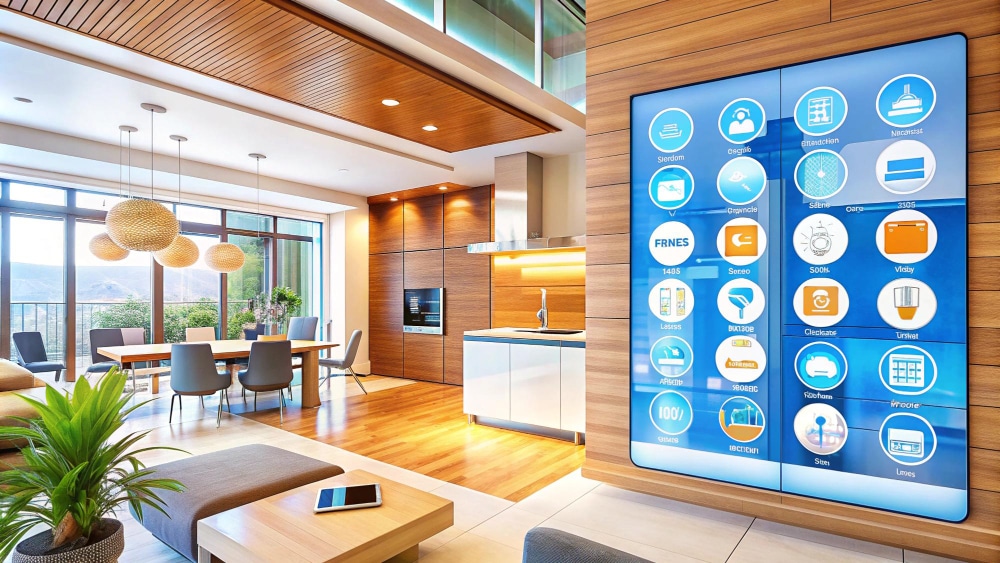
The property management industry has undergone a remarkable transformation over the past decade, and 2025 marks a new frontier in how technology shapes the way properties are maintained, leased, and lived in. From AI-powered tenant screening tools to smart home integrations and real-time maintenance tracking, property managers now have access to a growing suite of tech tools that are redefining efficiency, transparency, and tenant satisfaction.
Whether you’re a landlord with a handful of rentals or a property management company overseeing hundreds of units, staying ahead of these technological shifts is critical. In this article, we’ll explore how technology is changing property management in 2025 and why embracing these innovations is no longer optional—it’s essential.
1. AI and Automation Streamline Operations
In 2025, artificial intelligence and automation are at the heart of most modern property management systems. These tools are being used to handle repetitive tasks like rent collection, lease renewals, communication, and maintenance requests.
For example, automated rent collection platforms now use predictive analytics to send reminders, flag potential late payments before they happen, and even initiate legal notices if necessary. AI chatbots, available 24/7, can answer tenant inquiries, schedule showings, and provide instant updates—reducing the burden on human staff.
Additionally, virtual leasing assistants powered by machine learning can guide prospective tenants through the leasing process, answer detailed questions about the property, and pre-qualify applicants with minimal human involvement.
2. Smart Property Tech Enhances Tenant Experience
Smart home technology has seen explosive growth, and in 2025, it’s a key factor in tenant satisfaction and retention. Property managers are integrating smart thermostats, lighting, locks, and security systems into their rental units to offer greater control and convenience to residents.
Tenants can now unlock doors remotely, set lighting schedules, and monitor utility usage in real time—all from their smartphones. For landlords, these smart systems provide improved security, better energy efficiency, and real-time alerts if something goes wrong (like a water leak or unauthorized entry).
Many property managers are also using IoT (Internet of Things) sensors to monitor HVAC systems, detect smoke or mold risks, and automatically adjust temperatures in common areas. This reduces maintenance costs and improves the overall health of the property.
3. Data-Driven Decision Making with Advanced Analytics
Big data is no longer just a buzzword—it’s a cornerstone of successful property management strategies in 2025. Modern property management platforms come equipped with robust analytics dashboards that allow managers to track everything from vacancy rates and rent trends to maintenance costs and tenant feedback.
These insights help landlords and managers make informed decisions, such as when to adjust rental pricing, which amenities to invest in, or how to better allocate maintenance budgets.
For example, if data shows that units with smart locks rent out faster and stay occupied longer, property managers can justify the investment. Or if predictive analytics suggests that a tenant is likely to move out based on their behavior, proactive steps can be taken to retain them.
4. Cloud-Based Management Platforms Improve Accessibility
One of the most impactful changes in property management has been the widespread adoption of cloud-based software. In 2025, most property managers use centralized platforms that integrate leasing, accounting, communication, and maintenance tracking into a single user-friendly system.
These platforms are accessible from anywhere, enabling remote management and collaboration. This is especially beneficial for property managers overseeing multiple buildings or operating across different cities.
Tenants benefit from mobile apps that allow them to pay rent, submit maintenance requests, and receive updates—all in one place. Meanwhile, landlords and property managers can instantly access financial reports, maintenance logs, and tenant communications without being tied to an office.
5. Virtual and Augmented Reality for Marketing and Inspections
Marketing rental properties has also evolved dramatically thanks to virtual and augmented reality. In 2025, virtual tours are standard practice, allowing prospective tenants to explore properties from the comfort of their homes.
These immersive 3D tours save time for both tenants and managers, attract more qualified leads, and are especially valuable in high-demand or remote markets. Some platforms even allow users to furnish a virtual apartment, helping them visualize their potential home.
In real estate, property inspections have also been revolutionized by AR (augmented reality). Using AR headsets or mobile apps, maintenance staff and property managers can overlay instructions, blueprints, or repair histories directly onto the environment during an inspection, improving accuracy and reducing errors.
6. Blockchain Technology for Secure Leasing and Transactions
In 2025, blockchain is playing a growing role in how leases are signed, stored, and executed. Blockchain-based contracts ensure transparency, security, and immutability, making them ideal for high-value transactions like property leases.
Tenants can sign digital lease agreements that are encrypted and time-stamped on a decentralized ledger, reducing the risk of disputes or tampering. Payments made via blockchain-based platforms are also faster, more secure, and less prone to fraud.
While still emerging, this technology has the potential to eliminate many of the inefficiencies and vulnerabilities of traditional property management contracts and payments.
7. Sustainability Tools Help Meet Green Goals
Environmental concerns are more relevant than ever, and property managers are under increasing pressure to meet sustainability standards. In response, technology is offering innovative solutions to track and reduce energy consumption, manage waste, and lower carbon footprints.
Green building management systems (BMS) can automatically adjust lighting, heating, and cooling based on occupancy and weather conditions. AI-driven software can recommend improvements that save energy and water.
In 2025, many property managers are also leveraging ESG (Environmental, Social, and Governance) reporting tools to monitor sustainability performance and share results with investors, tenants, and regulatory bodies.
8. Cybersecurity and Data Privacy Remain Top Priorities
With more data being collected and managed online, cybersecurity is a major concern for property managers in 2025. Tenant data, financial records, and access logs must be protected from breaches and misuse.
Modern property management software includes robust security features like multi-factor authentication, data encryption, and access control. Compliance with data protection regulations—such as GDPR or local equivalents—is also essential.
Educating staff and tenants about safe digital practices, such as recognizing phishing scams or using strong passwords, is now a standard part of property management training.
Conclusion: Embracing the Future of Property Management
The technology landscape in 2025 is creating an exciting and more efficient future for property management. From automating daytoday operations to providing richer tenant experiences and enabling more strategic decisions, the benefits of adopting modern tech tools are clear.
However, technology is only as good as the people who use it. Successful property managers will not only invest in the right systems but also cultivate the skills, processes, and mindset needed to use them effectively.
In an increasingly competitive market, those who embrace innovation will stand out—offering higher value to both tenants and property owners while setting new standards for the industry.
Don't Miss